What is DJI Dock 3?
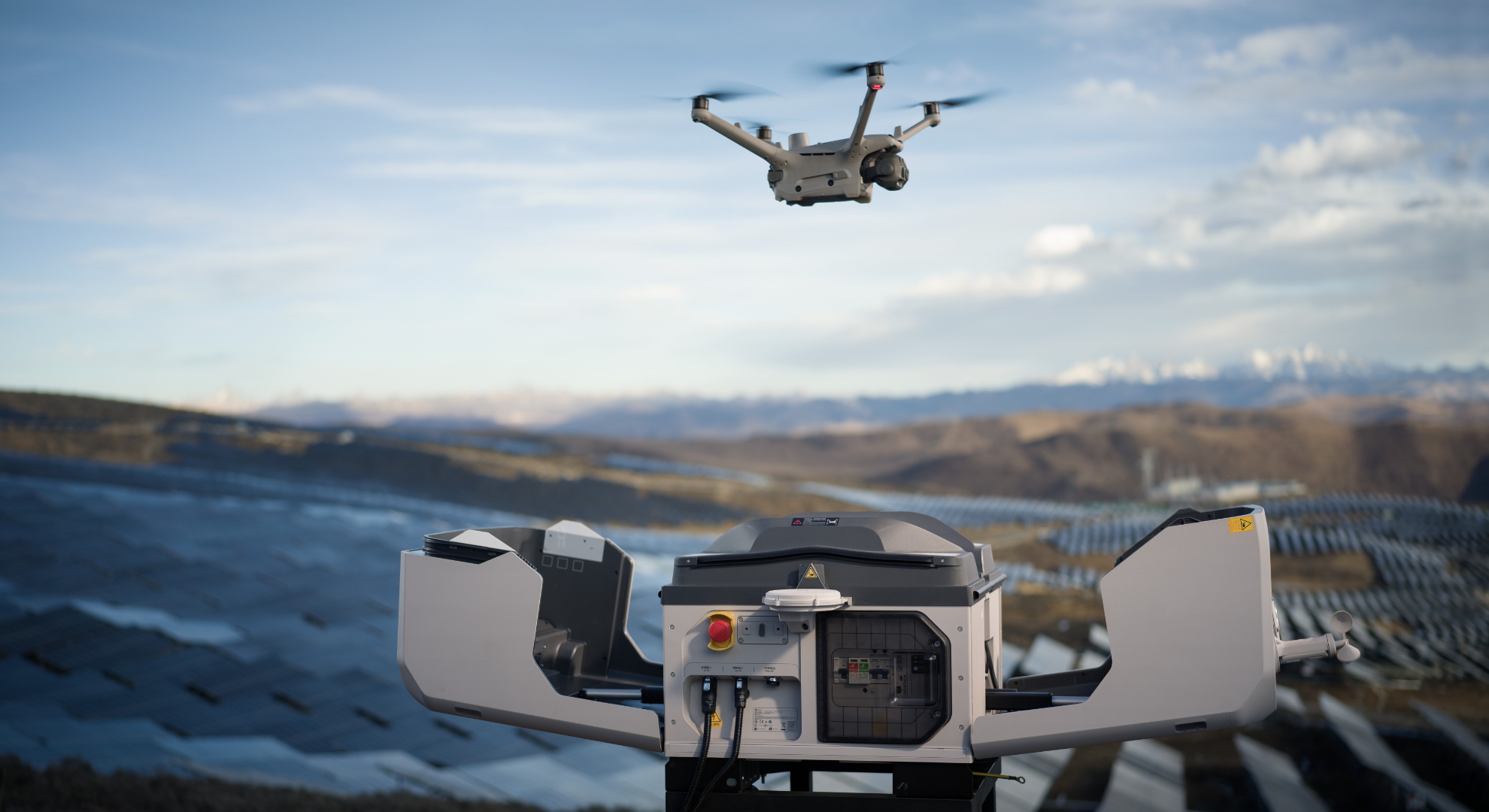
DJI Dock 3 is an enterprise drone dock that enables remote, repeatable drone operations when used with compatible DJI aircraft and software. In simple terms, it gives a drone a secure base where it can be stored, charged, launched, landed and managed as part of a planned operational workflow. DJI states that Dock 3 is designed for use with Matrice 4D or Matrice 4TD aircraft and DJI FlightHub 2, supporting remote operations from fixed or vehicle-mounted deployments.
What does this mean?
For organisations looking at drone-in-a-box technology, DJI Dock 3 is not just a place to keep a drone. It is part of a wider system that brings together the dock, the aircraft, software, connectivity, procedures and trained operators.
The dock provides the physical base for the aircraft. The drone captures the data. The software supports mission planning, operational oversight and remote management. Together, this can help teams carry out repeatable drone tasks across sites where regular aerial visibility is valuable.
Why does it matter?
Many sites do not need a one-off drone flight. They need regular, reliable access to current information.
A DJI drone dock can support use cases across utilities, infrastructure, industrial sites, security, emergency response and site monitoring. This could include routine asset checks, infrastructure inspection, perimeter awareness, incident response support, progress monitoring, water utility sites, energy assets, construction environments and other operational locations where repeatable aerial data is useful.
For clients, the value is not simply that a drone can fly from a dock. The value is that the operation can be planned, repeated and managed in a more consistent way. This can support faster visibility, better records, reduced mobilisation and more informed decision making across complex sites.
Operational considerations
DJI Dock 3 should not be treated as a shortcut around proper aviation planning.
A dock can support remote drone operations, but it does not automatically make an operation BVLOS, fully autonomous in the regulatory sense, or approved for every site. The operating model still needs to be assessed properly, including the location, airspace, ground risk, nearby people, connectivity, procedures, maintenance requirements and emergency planning.
Permissions and approvals depend on the type of operation being carried out. A simple visual line of sight deployment is very different from a more advanced remote or BVLOS operating model. This is why early planning matters.
Connectivity is also critical. Remote operations rely on a stable connection between the dock, aircraft, software and operating team. Power, network reliability, cyber security, physical security and site access all need to be considered before deployment.
Maintenance is another key factor. The dock, drone, batteries, sensors and software all need to be managed properly. Regular checks, firmware updates, cleaning, testing and operational reviews should be part of the deployment plan.
Team UAV Insight
The biggest mistake is seeing DJI Dock 3 as just hardware.
For most clients, the dock itself is only one part of the project. The real work is making sure the technology fits the site, the use case, the risk profile and the client’s day-to-day operation.
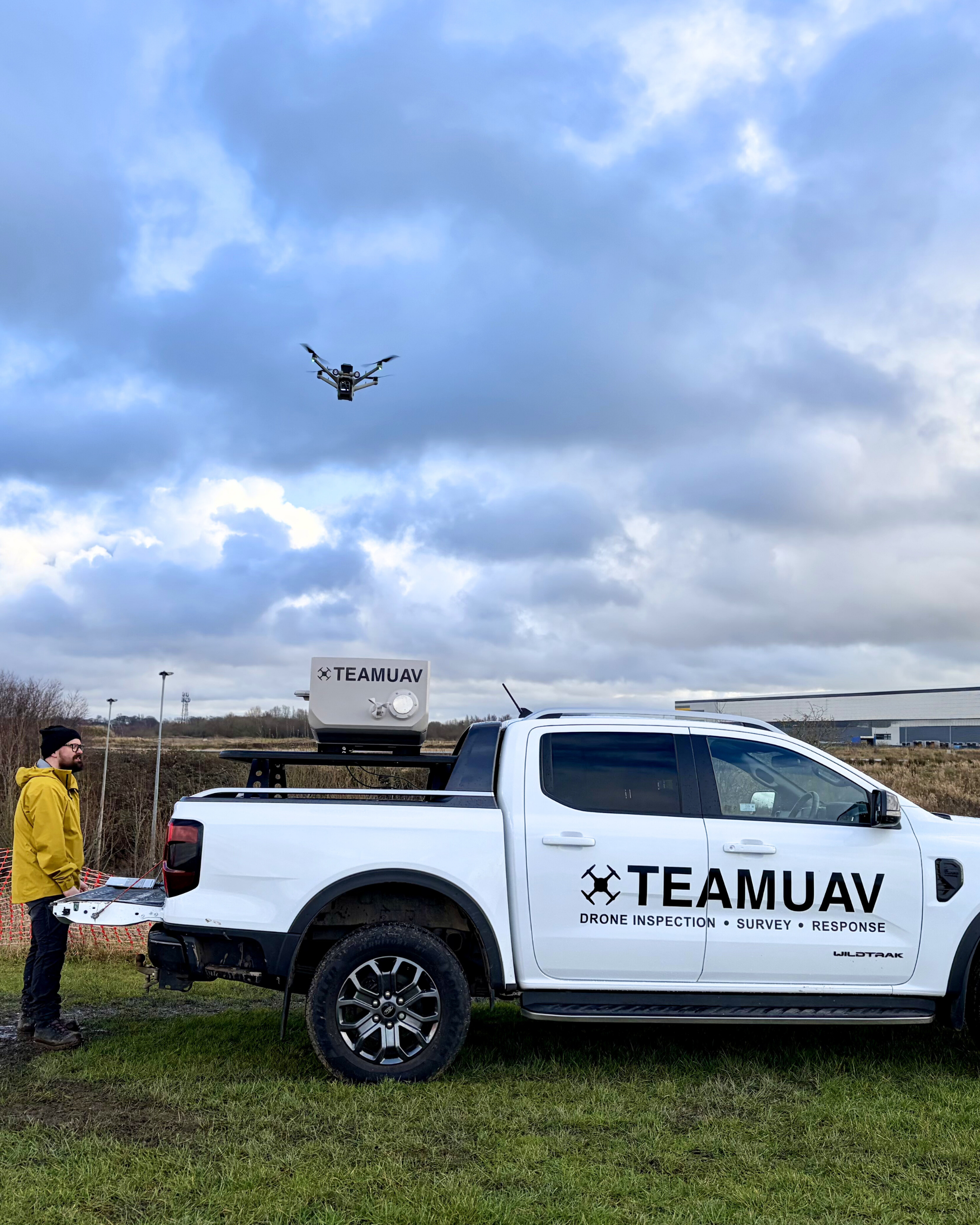
Team UAV is an official DJI Enterprise Reseller, but we are operators first. We do not just supply DJI Dock 3 and leave clients to work out the rest. We use enterprise drone systems in live environments, so our advice is grounded in real deployment, not just product knowledge.
That support can include DJI Dock 3 supply, site suitability reviews, aircraft and payload advice, DJI FlightHub 2 setup, operational procedures, training, maintenance planning, deployment support and guidance around the regulatory pathway for more advanced remote operations.
Speak to Team UAV
If you are considering DJI Dock 3, Team UAV can help you understand whether it is the right fit for your site and operation. Speak to our team about DJI Dock 3 supply, setup, training, compliance guidance and deployment planning built around real operational requirements.
FAQS
-
DJI Dock 3 can support remote and repeatable drone operations, but it should not be treated as a fully standalone solution. A safe deployment still needs the right planning, procedures, oversight, connectivity, maintenance and permissions.
-
DJI Dock 3 is designed to work with compatible DJI Matrice 4D series aircraft. The right aircraft choice depends on the use case, such as inspection, monitoring, thermal work, security or emergency response.
-
It depends on the operation. The site, airspace, flight profile, people nearby, operating procedures and whether the flight is VLOS or BVLOS all need to be assessed before deployment. For more complex operations, a Specific Category authorisation or UK SORA pathway may be required.